


Aspect Ratio Calculator

Calculating the aspect ratio (or format), meaning the relationship between width and height, isn’t difficult. You can even work it out in your head and get the right result – but why bother when computers can do it for you?
23. December 2015
Calculating the aspect ratio (or format) – in other words, the relationship between width and height – isn’t difficult. You can even work it out in your head and get to a result. But honestly… why bother when computers can do it for you?
There’s an easier way without overthinking it. For a long time, I used an Excel file I had created for my own needs, which calculated the corresponding pixel dimensions for a given aspect ratio or format. These days, I rely on my three small calculators – they handle the math quickly and without the headache.
This kind of tool becomes especially useful whenever the crop tool in your photo or image editor doesn’t support fixed aspect ratios or doesn’t offer common formats like 16:9 or 3:2. And calculating aspect ratios isn’t only relevant for photography. It also comes in handy when preparing formats for presentations on a smart TV or similar displays.
That said, aspect ratio plays an important role in many areas. In cameras, in photography (where the format has a strong impact on the visual impression), and in film or video. Basically, whenever formats matter.
With my calculator, you can perform three different types of calculations. Using Calculate Height and Calculate Width, you can determine the missing dimension for a specific aspect ratio. For example, if you want to crop an image to a 16:9 ratio and set the longer side to 1,000 pixels, you can use Calculate Height to find the missing value. In this case, the result would be 563 pixels. If you’re missing the width instead, simply use Calculate Width.
With the Calculate Aspect Ratio function, you can determine the ratio based on known dimensions. For example, an image sized 1,500 × 1,000 pixels results in an aspect ratio of 3:2.
When it comes to the calculations, it doesn’t matter whether your dimensions are in inches, pixels, or centimeters. Even with 1,500 × 1,000 cm, the result is still 3:2.
For us photographers, the image format is, of course, especially important. Let’s take a look at the most common formats used in cameras – here’s a quick overview:

The longer horizontal side is the same length in all images, while the vertical sides differ – clearly illustrating the respective aspect ratios. The 16:9 format (image on the left) is often used for landscape photography. The 3:2 and 4:3 formats (center and right) are the standard formats of most cameras and their sensor sizes.
Of course, an image originally captured in a 4:3 format can be cropped later to fit other aspect ratios. This may become necessary when printing a photo on a specific paper size or when images need to fit into a particular frame.
Calculate height
Calculate width
Calculate aspect ratio
Fine Art Editions
✦ Photography as art for distinctive spaces
Selected works from series such as The Darkness of Light, Face to Face and La Beauté du Ballet – complemented by graphic sketch interpretations based on my photographs.
PHOTORIA
✦ the magazine for fine art photography
Stories, imagery and inspiration about the art of photography.
PHOTORIA brings together authentic voices and atmospheric works from photographers and models worldwide.
Discover
Fragments of Silence
◆ Where Photographs Evolve into a New Visual Language
Not every photograph ends when the shutter is released. Fragments of Silence follows the journey of selected images as they gradually transform into artistic sketches and, ultimately, a Fine Art Book. Explore the creative process and discover how photography evolves into a quiet visual narrative.
👉 Follow the journey behind Fragments of Silence.
You Might Also Be Interested In…
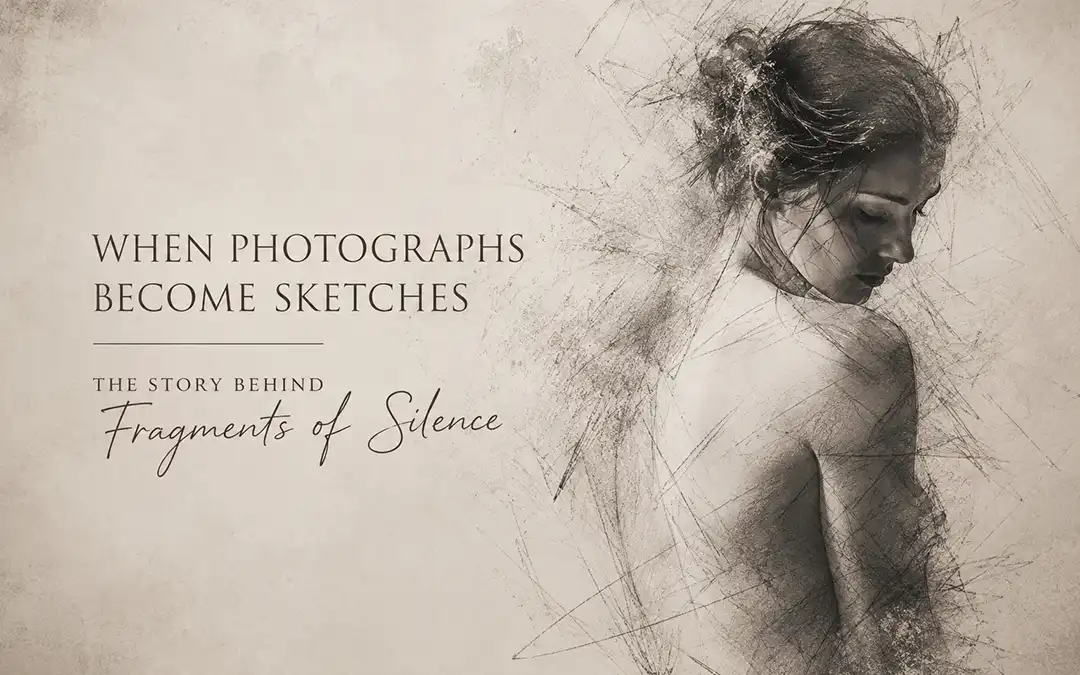
When Photographs Become Sketches – The Story Behind Fragments of Silence
When Photographs Become Sketches explores the story behind Fragments of Silence, an upcoming Fine Art Book where selected photographs evolve into artistic sketches through reduction, interpretation and visual storytelling.
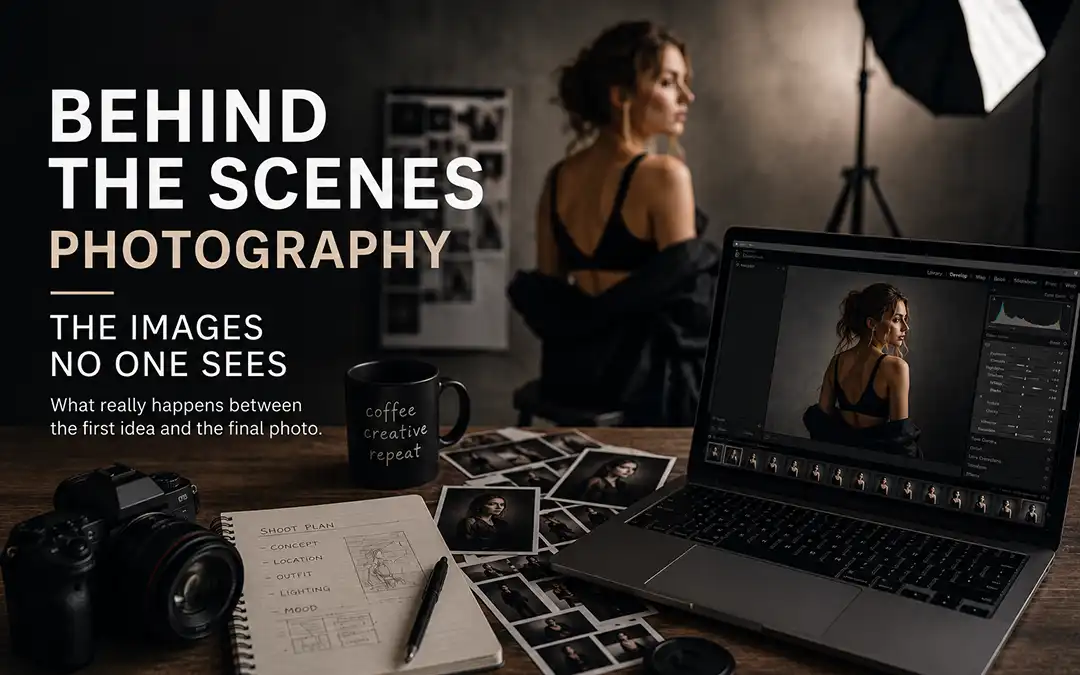
The Images No One Sees
A look behind the scenes of photography: why so much more happens between a photoshoot and the final image than most people ever see — from the first idea to image selection and post-processing.

TFP Shoots – Between Creative Freedom and False Expectations
TFP is one of the most misunderstood topics in people photography. This article takes an honest look at creative freedom, hidden time investment, fair collaboration and the false expectations that often surround TFP shoots.
Get in touch and let’s make something amazing together
Get in touch
Contact
Just send it
Phone
+49 (0)171 - 4100052
info@frank-eckgold-fotograf.de
Location
Dortmund, Germany
0 Comments