


Photos That Tell a Story

In the world of photography, there are countless ways to capture a moment. But one of the most fascinating discussions is the difference between photographs that tell a story and simple portraits.
16. November 2024
Photos That Tell a Story vs. Simple Portraits: The Difference Between Art and Representation
In the world of photography, there are countless ways to capture a moment. Yet one of the most fascinating discussions is the contrast between photos that tell a story and simple portraits. Both approaches have their own appeal and their own purpose, but they speak to different aspects of our perception and emotions. In this article, I want to explore the differences, the magic, and the intentions behind these two forms of photography.
What is a simple portrait?
A portrait, by definition, is an image of a person. The focus is usually on the face, often complemented by details such as clothing, expression, or body language. The goal of a portrait is to reveal the personality, mood, or beauty of the subject.
Simple portraits stand out through their simplicity. They are clear, unobtrusive, and often technically precise. A successful portrait can:
- highlight the uniqueness of a face,
- capture emotions in their purest form,
- or focus on the relationship between photographer and subject.
Examples include classic studio portraits or passport photos – they may have documentary or aesthetic value, but often without a deeper narrative context.
When a photograph tells a story
In contrast to simple portraits, storytelling photographs are more complex. They capture not only a person, but also their environment, emotions, and perhaps even the invisible dynamics between different elements within the frame.
Such an image makes the viewer wonder: Who is this person? What just happened? What happens next? These photographs are often created with an open ending that leaves room for interpretation.
Characteristics of storytelling photography:
- Context: The environment, background details, or interactions provide clues about the story.
- Emotional depth: They capture more than just a moment – they convey feelings, tension, or even a touch of drama.
- Subjective meaning: They invite the viewer to actively engage with the image.
Famous examples of storytelling photography include the work of photojournalists such as Dorothea Lange, whose image “Migrant Mother” is not just a portrait, but also a documentation of the Great Depression. Artistic street photography and staged fine art photography can also fall into this category.
The appeal of simplicity vs. the depth of narrative
The question of whether a portrait or a storytelling photograph is “better” cannot really be answered – it depends entirely on what the photographer wants to express and what kind of emotions they want to evoke in the viewer.
- Simple portraits are ideal when the goal is to create a clear and unfiltered connection between viewer and subject. They are direct and leave little room for misunderstanding.
- Storytelling photographs, on the other hand, ignite the imagination. They are more complex and invite the viewer to immerse themselves in the story behind the image.
How to choose the right approach
If you are trying to decide between these approaches as a photographer, ask yourself:
- What is my goal? Do you want to capture the essence of a person or communicate a message?
- What resources are available to me? Do you have a set, props, or a location that supports the story?
- Who is my audience? Do you want to inspire viewers, make them think, or simply impress them aesthetically?
My conclusion
Simple portraits and storytelling photographs are two sides of the same coin. Both approaches deserve respect and can be breathtaking depending on the context. While portraits often stand for clarity and intimacy, storytelling photography opens doors to new worlds and narratives.
So why not experiment with both? Often, the real art lies in blurring the boundaries between the two approaches – creating portraits that tell stories, or discovering stories hidden within the clean lines of a portrait.


Fine Art Editions
✦ Photography as art for distinctive spaces
Selected works from series such as The Darkness of Light, Face to Face and La Beauté du Ballet – complemented by graphic sketch interpretations based on my photographs.
PHOTORIA
✦ the magazine for fine art photography
Stories, imagery and inspiration about the art of photography.
PHOTORIA brings together authentic voices and atmospheric works from photographers and models worldwide.
Discover
Fragments of Silence
◆ Where Photographs Evolve into a New Visual Language
Not every photograph ends when the shutter is released. Fragments of Silence follows the journey of selected images as they gradually transform into artistic sketches and, ultimately, a Fine Art Book. Explore the creative process and discover how photography evolves into a quiet visual narrative.
👉 Follow the journey behind Fragments of Silence.
You Might Also Be Interested In…
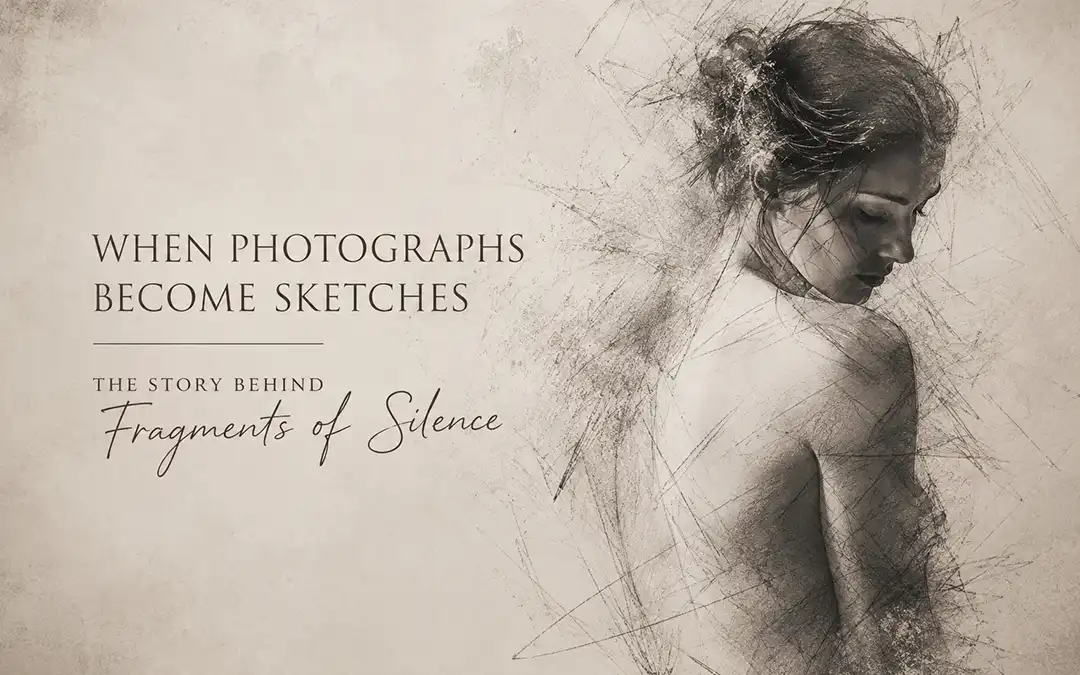
When Photographs Become Sketches – The Story Behind Fragments of Silence
When Photographs Become Sketches explores the story behind Fragments of Silence, an upcoming Fine Art Book where selected photographs evolve into artistic sketches through reduction, interpretation and visual storytelling.

The Images No One Sees
A look behind the scenes of photography: why so much more happens between a photoshoot and the final image than most people ever see — from the first idea to image selection and post-processing.
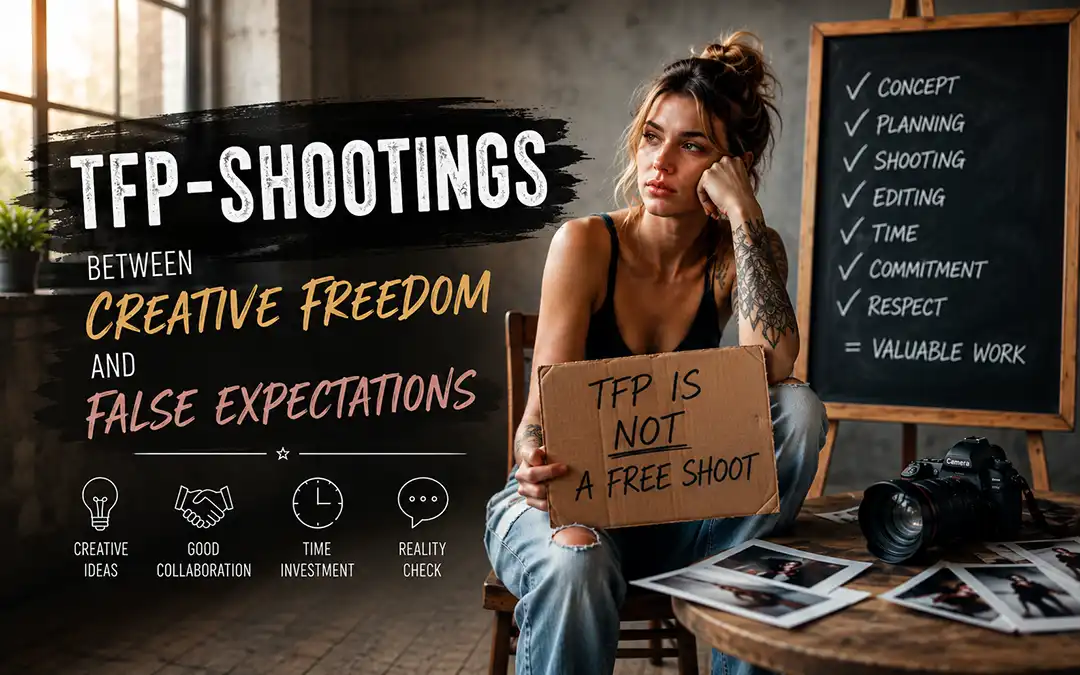
TFP Shoots – Between Creative Freedom and False Expectations
TFP is one of the most misunderstood topics in people photography. This article takes an honest look at creative freedom, hidden time investment, fair collaboration and the false expectations that often surround TFP shoots.
Get in touch and let’s make something amazing together
Get in touch
Contact
Just send it
Phone
+49 (0)171 - 4100052
info@frank-eckgold-fotograf.de
Location
Dortmund, Germany
0 Comments