


Water Droplets in High-Speed Photography
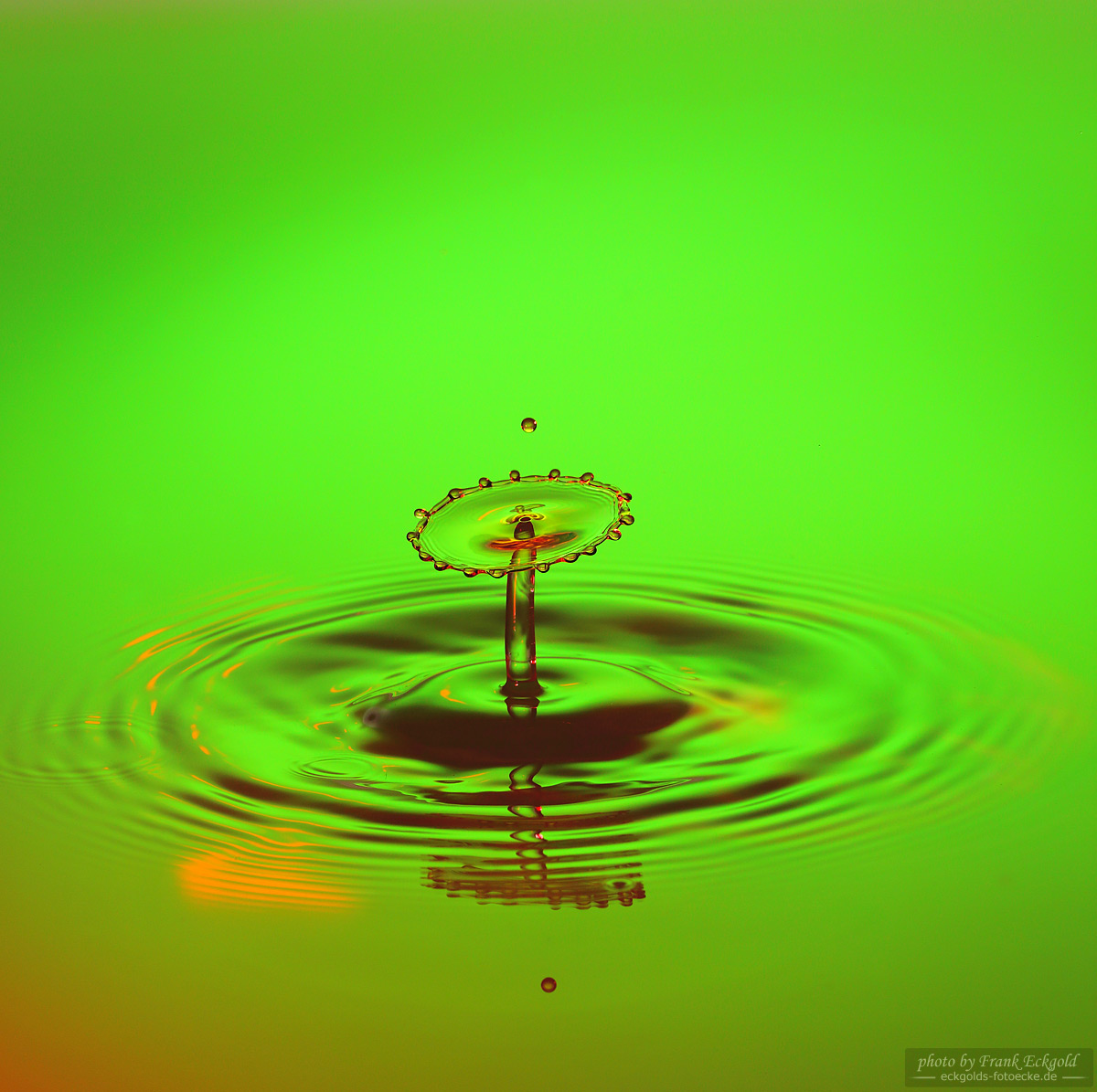
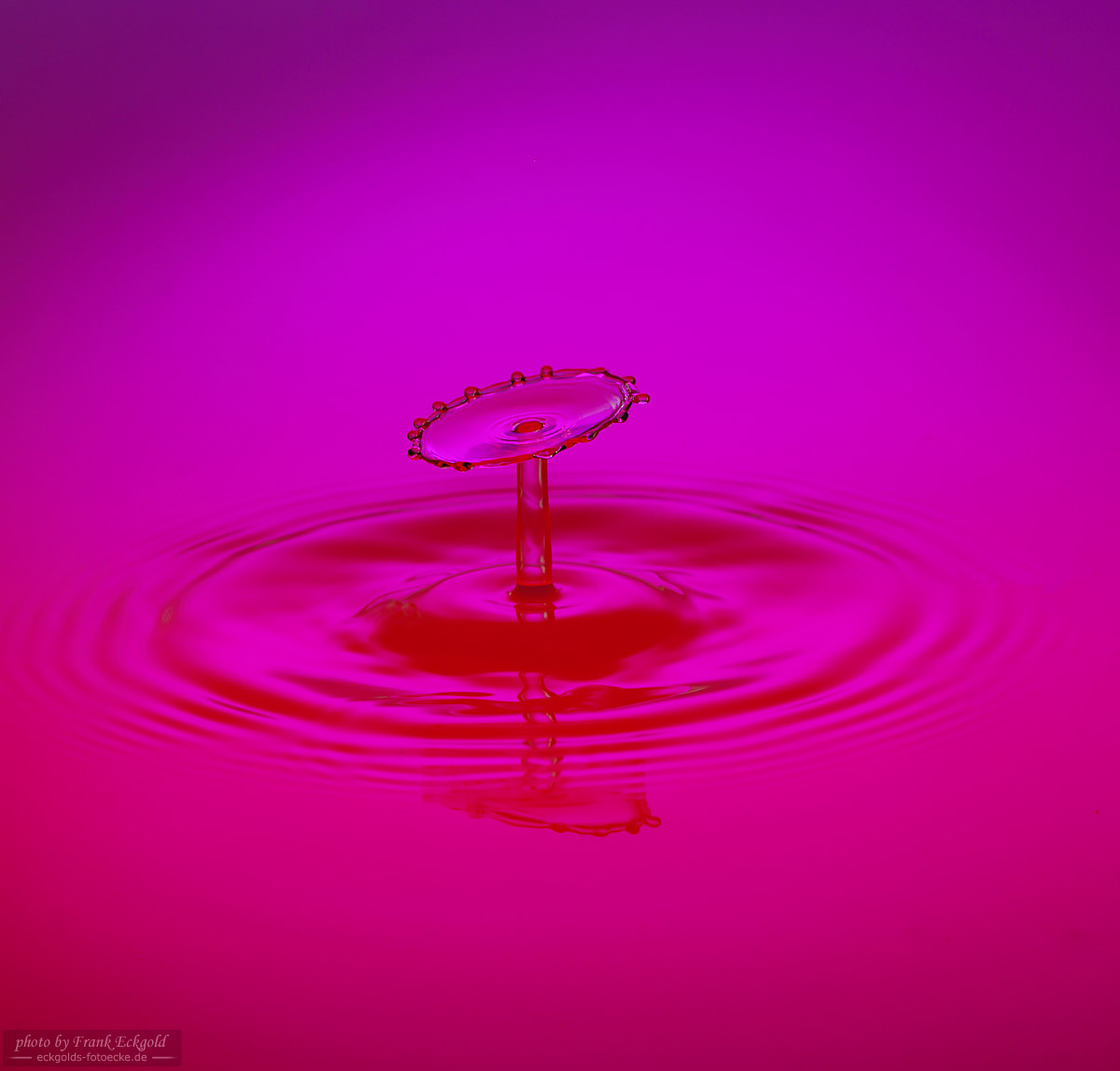
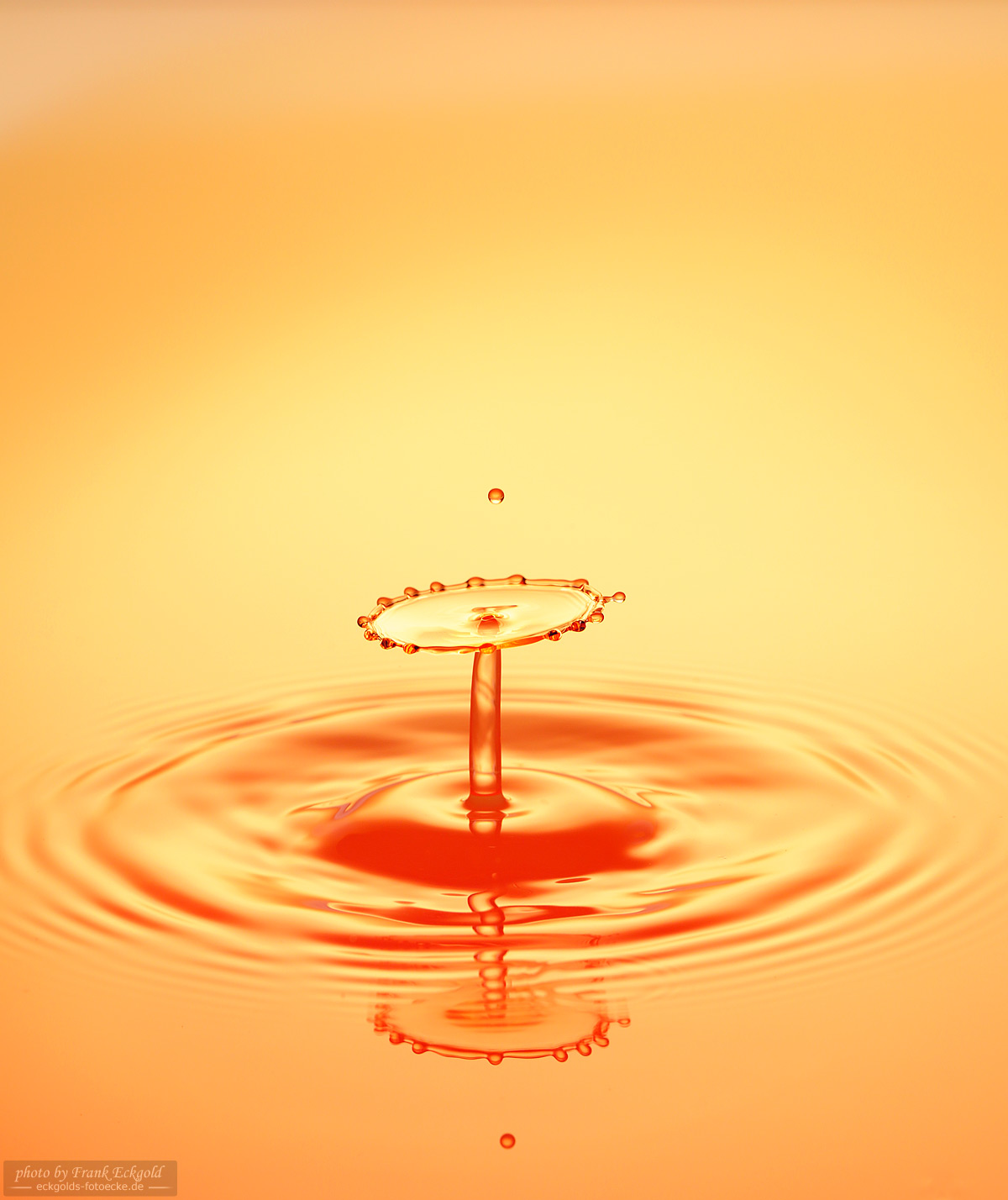
Experimente mit dem PLUTO TRIGGER & WASSERTROPFEN KITEin Wassertropfen trifft auf die Oberfläche von Wasser. Was dann passiert, spielt sich in einem Zeitraum eines Wimpernschlags ab. Mit dem bloßen Auge nicht zu erkennen, aber während dieses Wimpernschlags entstehen spannende Formen und Figuren.
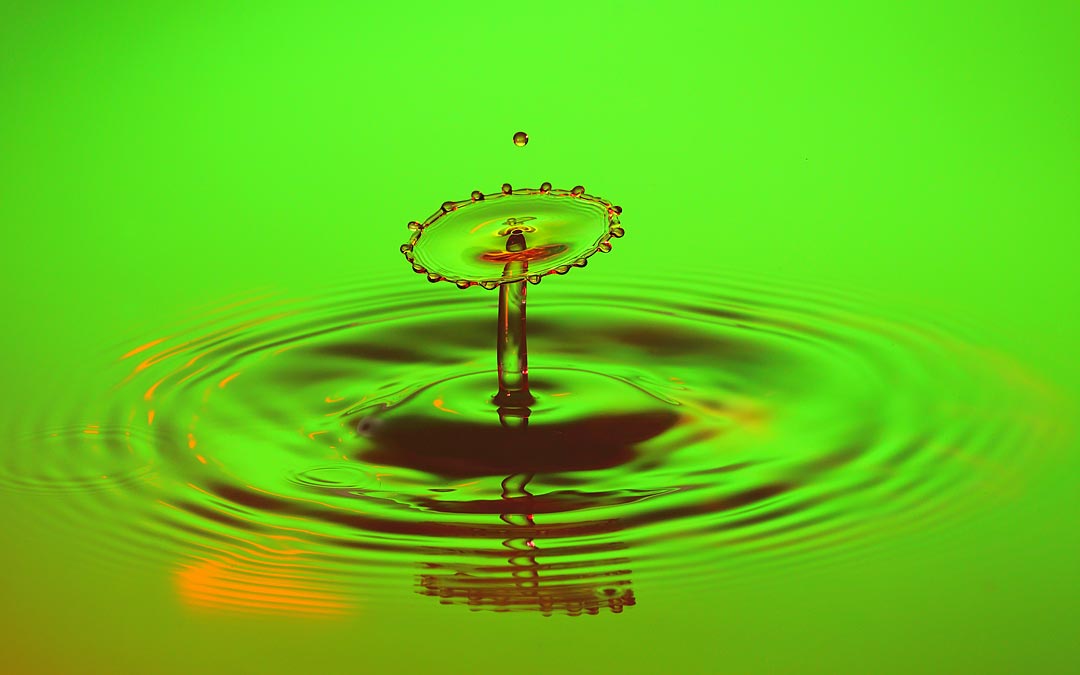
I had seen images like this several times before and became curious about the technique behind them. In theory, I understood what was happening and how such shots could be created. But I wanted to see for myself how much effort is actually required to achieve visually appealing results.
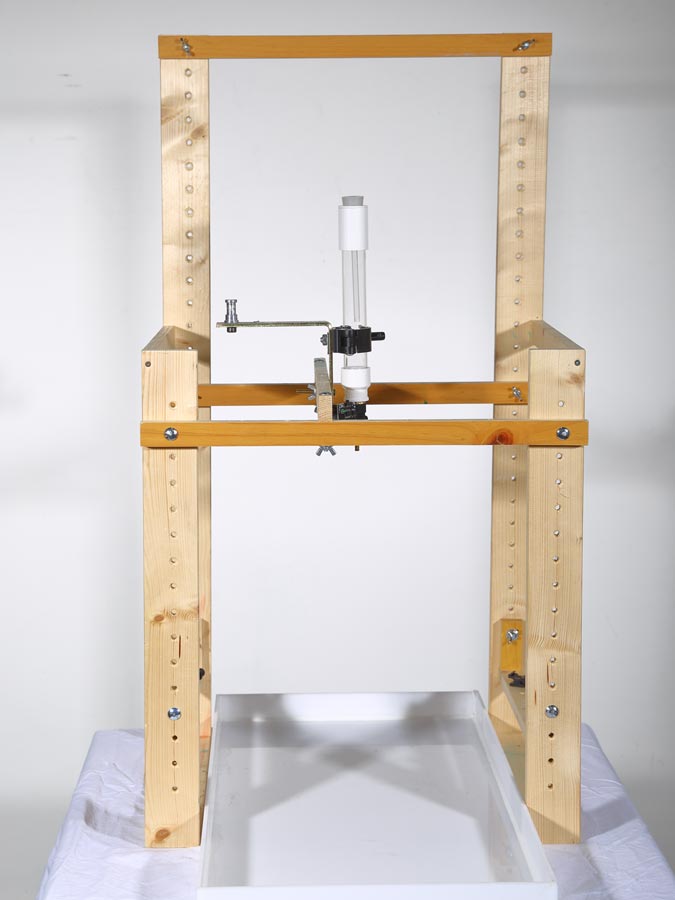
A good friend organized the technical setup — primarily a trigger capable of releasing the camera with precise timing, as well as a kit designed to generate water droplets. In addition, we needed a structure or frame to mount the water droplet kit securely.
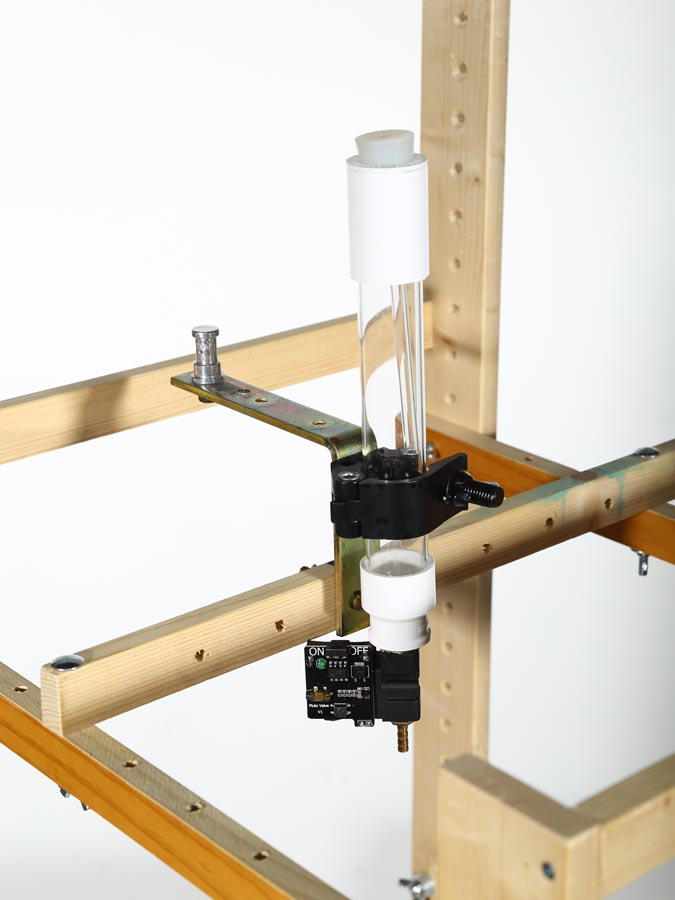
The frame holding the water droplet kit was made of wood — a custom-built, DIY construction. This allowed us to mount the droplet kit, which consists of an electronic control unit, a tube similar to a test tube, and a valve, flexibly in height and position. Beneath the frame, we placed a shallow basin to catch the water.
The trigger is controlled via an app, operated on a tablet or smartphone. Within the app, various parameters can be adjusted, such as the size of the water droplet, the delay between the droplet release and the camera trigger, and several other settings. The real challenge is fine-tuning these parameters so that the droplet is photographed after it hits the water surface — and ideally forms an elegant, abstract shape.
Technically, the process works as follows: the trigger (controlled via the app) first releases a droplet and then triggers the camera. Sounds simple, right?
Not quite. To truly freeze this blink-of-an-eye moment, we needed an extremely short exposure time to avoid motion blur. In addition, we wanted to introduce color into the scene. Clear water alone would have been too plain, and adding color later in Photoshop felt far too easy.
So we positioned flash units around the setup — specifically system flashes. At lower power levels, these flashes have an extremely short flash duration, which is exactly what was needed to freeze the droplets in mid-air. Simple color gels placed in front of the flashes then created the desired color effects.
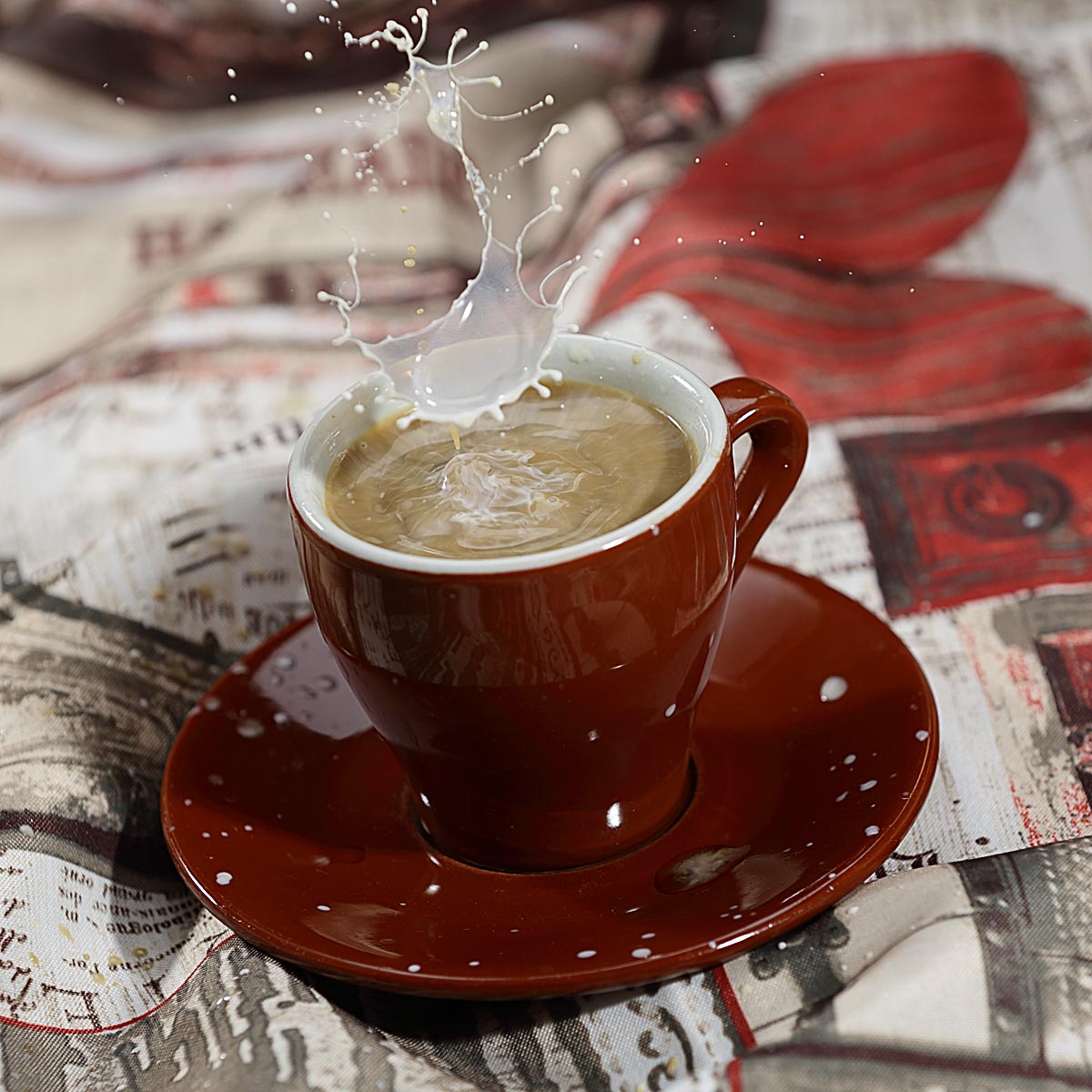
Afterwards, I experimented a bit with coffee and a drop of milk. This turned out to be significantly more challenging, as milk has a very different consistency than water. All parameters had to be adjusted from scratch. However, I abandoned this experiment fairly quickly, since after every attempt the entire setup had to be cleaned of milk and coffee splashes. In addition, fresh, pitch-black coffee had to be poured each time. Given that my test setup was rather suboptimal and I didn’t have an appealing alternative to a simple coffee cup, I decided to stop further experiments at that point.
have a look
Project highlights


Get in touch and let’s make something amazing together
Get in touch
Kontakt
Ausfüllen, absenden
Telefon
+49 (0)171 - 4100052
info@frank-eckgold-fotograf.de
Location
Dortmund, Germany